Category: Online Gaming

  • Accessibility features in video games evolve to enhance inclusivity

    Accessibility features in video games have significantly evolved in recent years, aimed at creating a more inclusive environment for players of all abilities. As gaming has become a dominant form of entertainment worldwide, developers have recognized the importance of ensuring that everyone, regardless of physical or cognitive challenges, can enjoy their creations. This evolution reflects a broader societal push towards inclusivity, showcasing how the gaming community is making strides to welcome diverse players into its fold.

    Understanding the Importance of Accessibility Features

    Inclusion is at the heart of gaming, and accessibility features serve to break down barriers that have traditionally existed for players with disabilities. Developers often design games with accessibility in mind, integrating options that cater to a wide spectrum of needs. This can include visual aids for the visually impaired, customizable control schemes for those with mobility challenges, and even auditory cues for players who are hard of hearing.

    The significance of accessibility features in video games cannot be overstated. As gaming increasingly serves as a social platform, the ability for everyone to participate holds both emotional and financial implications for the industry. By making games accessible, developers are not only fulfilling ethical obligations but also tapping into a broader audience that includes gamers with disabilities.

    Innovative Features Transforming Gameplay

    One of the most exciting aspects of recent advancements is the creative implementation of features that enhance gameplay experience. For instance, colorblind modes, which adjust the color palette to accommodate various types of color blindness, ensure that visually impaired players can still engage with the game’s visuals.

    Moreover, many titles now include comprehensive tutorials and adjustable difficulty settings, allowing players to learn at their own pace or choose a level of challenge that suits their abilities. Games like The Last of Us Part II have received acclaim for their extensive accessibility options, including text-to-speech functionalities, customizable controls, and visual aids that enhance the player’s experience.

    The Role of Community Feedback in Design

    Developers are increasingly turning to community feedback to shape their accessibility features. Engaging with players who have disabilities helps game studios understand real-world challenges and the practical implications of their design choices. This dialogue can lead to innovative solutions tailored directly to player needs.

    For example, the popular game Celeste integrated features such as assist modes that allow players to adjust game mechanics to suit their needs, such as reducing the speed of the game or providing infinite stamina. This responsive development process demonstrates how community input can lead to widespread improvements in accessibility. For more on this topic, see luxury333.

    Technology Advancements Supporting Accessibility

    Technological advancements play a crucial role in enhancing accessibility features in video games. Innovations such as voice control and gesture recognition are starting to find their way into mainstream gaming, allowing players to engage with games in entirely new ways. For instance, the introduction of eye-tracking technology has made it possible for players with limited mobility to control games using their gaze.

    Additionally, platforms like Xbox have been at the forefront of accessibility innovation. The Xbox Adaptive Controller, designed for gamers with limited mobility, showcases how technology can be employed to create customizable gaming experiences. Such innovations are pivotal in ensuring that all players can find a way to engage with video games.

    Looking Ahead: The Future of Accessibility in Gaming

    The future of accessibility features in video games looks promising, as the industry continues to prioritize inclusivity. With advocacy groups pushing for better standards and awareness growing within gaming communities, developers are more likely to incorporate comprehensive accessibility options from the outset.

    As gaming technology evolves, we can expect to see even more sophisticated tools and features developed to assist players with a wide range of disabilities. The potential for virtual reality (VR) and augmented reality (AR) to offer inclusive experiences is particularly noteworthy, as these technologies continue to advance and become accessible to a broader audience. By fostering an environment where everyone can partake in gaming, the industry stands to benefit from a more diverse player base.

    In conclusion, accessibility features in video games have evolved considerably, reflecting a growing awareness of the need for inclusivity within the gaming community. As developers continue to innovate and listen to community feedback, the future holds exciting possibilities for gamers of all abilities. Through ongoing advancements in technology and design, the gaming world is set to become even more welcoming, ensuring that everyone can share in the joy of play.
  • Co-op games to play with friends for a fun gaming experience

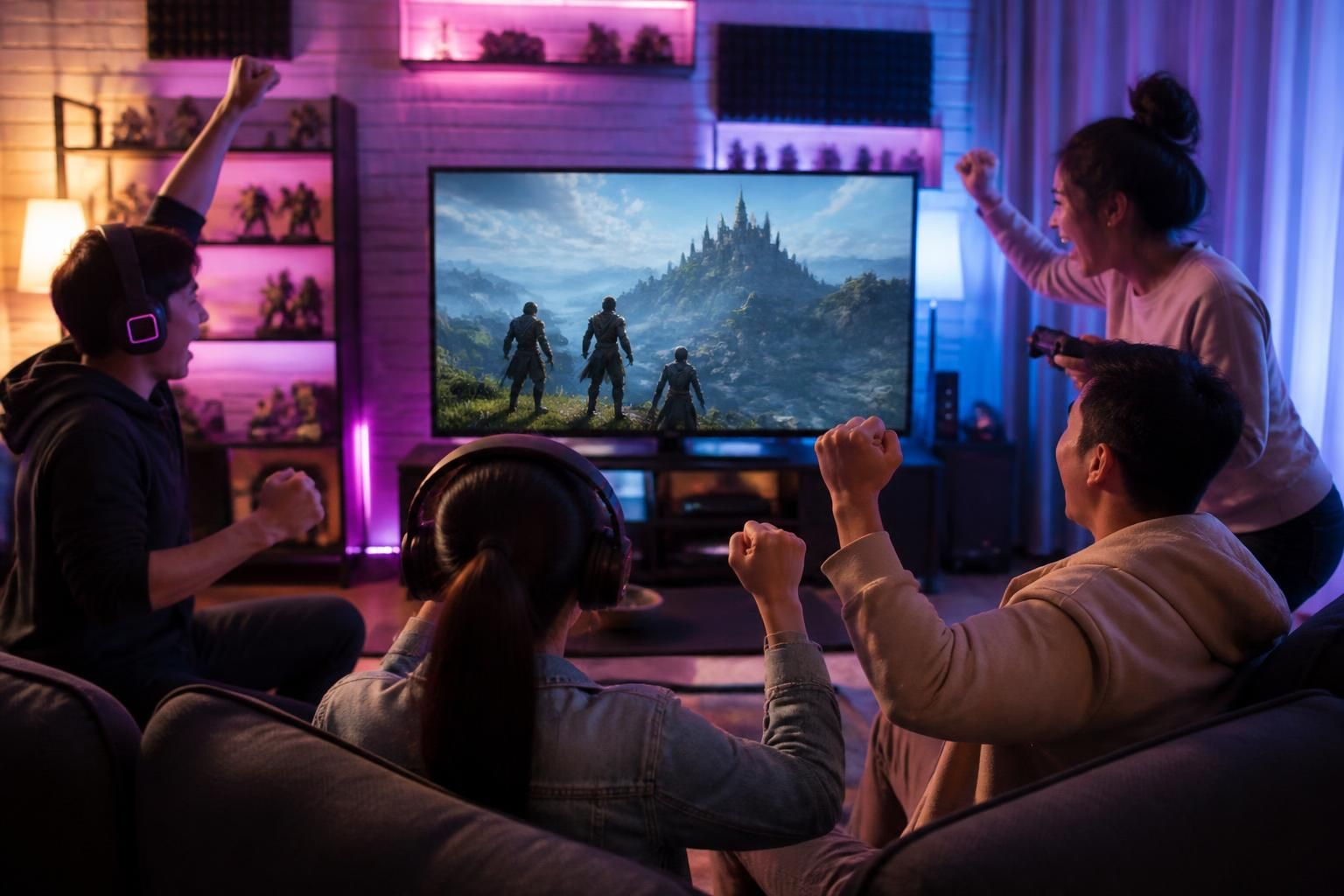
    Co-op games to play with friends offer an engaging way to bond, strategize, and enjoy shared experiences. These games come in various styles and genres, allowing players to collaborate towards common goals. Whether you prefer action-packed adventures or relaxing simulations, there are numerous options that cater to every group’s tastes. This article explores the vibrant world of co-op gaming, highlighting some of the best choices available to foster camaraderie and fun.

    Why Choose Co-op Games for Social Interaction?

    Co-op games to play with friends are particularly appealing because they enhance social interaction in a virtual setting. Unlike competitive gaming, where players often find themselves pitted against each other, cooperative gameplay encourages teamwork. This type of gaming not only fosters communication and collaboration but also creates lasting memories, as players navigate challenges together.

    Moreover, many co-op games are designed to accommodate different skill levels. This inclusivity allows everyone in a group to contribute, whether they are seasoned gamers or newcomers. The shared experiences in these games create a unique dynamic, making them an excellent choice for parties, family gatherings, or simply unwinding after a long day.

    Popular Co-op Games to Explore

    When it comes to co-op games, there are a plethora of options that cater to various interests. Here are some standout titles that are well-regarded among gaming communities:

    • It Takes Two: This unique platformer requires two players to work together to solve puzzles and navigate a whimsical world. The game’s emphasis on collaboration makes it a perfect choice for couples or best friends looking for a shared adventure.
    • Overcooked! 2: A culinary chaos simulator, this game challenges players to work as a team to prepare dishes in increasingly complex kitchen environments. The frantic nature of the game leads to both laughter and occasional frustration, making it a great party game.
    • Phasmophobia: For those who enjoy horror, this co-op ghost-hunting game allows players to investigate haunted locations together. Communication is key as teams gather evidence and attempt to identify different types of supernatural entities.
    • Sea of Thieves: Set in a pirate-themed world, this action-adventure game invites players to sail the seas, engage in battles, and uncover treasure together. The open-world exploration combined with cooperative questing creates an immersive experience.

    Different Genres of Co-op Games for Various Tastes

    Co-op games to play with friends span a variety of genres, each offering a unique experience. Understanding the different types can help players select the best fit for their group:

    Action and Adventure

    Action-packed co-op games often involve fast-paced gameplay and intense challenges. Titles like Borderlands 3 and Dying Light provide thrilling experiences where teamwork is essential for survival and victory.

    Strategy and Simulation

    For those who enjoy strategic planning, games like Factorio and Stardew Valley offer cooperative gameplay that encourages players to build, manage resources, and develop long-term strategies together. This genre is particularly great for groups that enjoy a slower-paced, thoughtful gaming experience.

    Puzzle and Mystery

    Puzzle-solving games, such as We Were Here and Keep Talking and Nobody Explodes, require effective communication and quick thinking. These titles challenge players to think outside the box and often lead to humorous moments and unexpected solutions.

    Platforms for Playing Co-op Games

    Accessing co-op games has never been easier, with various platforms available to cater to diverse preferences and setups:

    • PC: Steam and Epic Games Store are popular platforms where players can find a vast selection of co-op games, often at discounted prices during seasonal sales.
    • Consoles: PlayStation and Xbox offer many exclusive titles that support co-op gameplay. Games like Halo Infinite and Mario Kart 8 Deluxe are excellent choices for console gamers.
    • Mobile: With the rise of mobile gaming, there are numerous co-op games available on iOS and Android. Titles like Among Us and Words with Friends encourage friends to engage with each other on-the-go.

    Additionally, some co-op games support cross-platform play, allowing friends on different systems to play together. This feature significantly expands the gaming possibilities and ensures no one is left out.

    Enhancing Your Co-op Gaming Experience

    To maximize enjoyment while playing co-op games with friends, consider the following tips:

    • Set Clear Goals: Before diving into a game, it’s helpful to establish what your group’s objectives are. Whether you want to complete a campaign or just have a fun gaming session, having a shared goal can enhance teamwork.
    • Communicate Effectively: Utilize voice or text chat to stay connected during gameplay. Good communication can lead to better coordination and a more enjoyable experience, especially in games that require strategy.
    • Take Breaks: If your session extends for a long period, don’t forget to take breaks. This helps prevent frustration and keeps the atmosphere light and fun.
    • Explore New Games: Regularly check for new releases and updates in the co-op gaming genre. Engaging with fresh content can keep the experience exciting and prevent monotony.

    For additional resources and recommendations on co-op games, you might find helpful insights at qqmacan.

    Conclusion: Finding the Right Co-op Game for You

    Co-op games to play with friends are an excellent way to foster connections and create unforgettable experiences. With a diverse range of titles across various genres and platforms, there is something for every group to enjoy. By carefully selecting games that align with your interests and communication styles, you can ensure a fun and engaging gaming experience that brings friends together, whether online or in the same room. Explore the world of co-op gaming today and discover the joy of teamwork and collaboration.

  • Mobile gaming trends show explosive growth with new player demographics

    Mobile gaming trends have rapidly transformed the landscape of the gaming industry, showcasing explosive growth and attracting a diverse range of players. As smartphones become increasingly powerful and accessible, an expanding demographic of gamers is embracing mobile platforms for entertainment. This article delves into the current trends within mobile gaming, exploring the evolving player base, technological advancements, and the impact on game design.

    Expanding Demographics: Who is Playing?

    One of the most noteworthy mobile gaming trends is the broadening of player demographics. Traditionally, mobile games were associated mainly with casual gamers; however, the rise of powerful mobile devices and diverse game offerings has attracted various age groups and gaming preferences. Studies reveal that more adults, particularly those aged 35-54, are becoming avid mobile gamers, while younger players continue to be drawn to mobile platforms.

    In 2023, female gamers represent a significant portion of the mobile gaming audience, challenging prior assumptions about gender distribution in gaming. Market research indicates that women now account for nearly half of all mobile game players. This shift not only enhances the social diversity of gaming but also influences the types of games that are being developed, as studios recognize the importance of catering to diverse tastes and preferences.

    Technological Advancements Driving Growth

    Mobile gaming trends are also greatly influenced by advancements in technology. Enhanced processing power, better graphics capabilities, and improved battery life have contributed to the development of more complex and engaging games. As 5G technology becomes more widespread, the potential for real-time multiplayer experiences and augmented reality gaming is set to skyrocket.

    The integration of cloud gaming services in mobile platforms is another game changer. Services that allow players to stream games directly to their devices without the need for high-end hardware make high-quality gaming experiences accessible to a wider audience. This democratization of gaming can lead to increased engagement and a broader player base, as users are no longer limited by their device’s specifications.

    Shifts in Game Design and Monetization Strategies

    As mobile gaming evolves, so too do the design philosophies behind mobile games. Developers are increasingly focusing on creating short, engaging gaming experiences that can be enjoyed in brief bursts. This shift caters to the on-the-go lifestyle of many mobile users. Games like qqmacan exemplify this trend, offering quick sessions along with social features that encourage sharing and competition among friends.

    Monetization strategies within mobile gaming are also adapting to these changes. While in-app purchases remain a dominant revenue model, subscription services are gaining traction, offering players access to a library of games for a monthly fee. This model allows players to explore a wider variety of games without the commitment of purchasing individual titles, appealing particularly to those who may be hesitant to spend money on mobile games.

    The Social Dynamics of Mobile Gaming

    Mobile gaming is increasingly becoming a social experience, driven by the rise of multiplayer games and in-game communities. Players are not only seeking entertainment but also social interaction through gaming. Many mobile games include features that allow for cooperative play, competitions, and social sharing, which can enhance engagement and create a sense of belonging.

    Moreover, mobile gaming trends are being shaped by platforms that facilitate communication among players, such as Discord and social media. These platforms help gamers form communities, share strategies, and bond over shared interests. This social aspect of gaming is particularly appealing to younger players who value connectivity and collaboration in their gaming experiences.

    Looking Ahead: The Future of Mobile Gaming

    As we look to the future, mobile gaming trends indicate continued growth and innovation. The combination of technological advancements, expanding demographics, and evolving game design will likely lead to even more engaging and immersive experiences. The importance of mobile devices as primary gaming platforms will solidify, with developers increasingly focusing on the unique strengths of mobile gaming.

    In this ever-evolving landscape, staying attuned to player feedback and preferences will be crucial for developers. Addressing the needs of a diverse audience while embracing new technologies can pave the way for future successes in mobile gaming, ensuring that it remains at the forefront of the entertainment industry.

    In conclusion, the current trends in mobile gaming highlight explosive growth and diversification in player demographics. With technological advancements paving the way for more engaging experiences and evolving design philosophies catering to a broad audience, the future of mobile gaming looks promising. As the landscape continues to change, understanding these trends will be essential for both players and developers alike.

  • Mobile game controllers and accessories enhance your gaming experience

    Mobile game controllers and accessories have become essential tools for enhancing the gaming experience on smartphones and tablets. As mobile gaming continues to rise in popularity, the demand for more refined control options and immersive gameplay is growing. Whether you are a casual gamer or a competitive player, utilizing specialized peripherals can significantly elevate your gaming sessions, making them more enjoyable and effective.

    Understanding the Importance of Mobile Game Controllers

    Mobile game controllers serve as a bridge between traditional console gaming and mobile platforms. Many players find that touch controls can be imprecise, leading to frustration during crucial moments in a game. By integrating a game controller, users can gain tactile feedback, better ergonomics, and the ability to execute complex maneuvers more efficiently.

    There are various models available, from Bluetooth-enabled controllers to those that connect via USB-C ports. Popular brands have started to develop controllers specifically designed for mobile devices, addressing the unique challenges posed by touchscreen gaming. This evolution acknowledges the fact that many mobile games are becoming increasingly sophisticated, mimicking the gameplay found on consoles and PCs.

    Types of Accessories That Complement Mobile Gaming

    In addition to controllers, a variety of accessories can enhance the mobile gaming experience. These range from simple add-ons like grips and phone holders to more sophisticated equipment such as cooling pads and external batteries. Each accessory plays a distinct role in improving comfort, performance, and overall enjoyment.

    • Game Grips: These add-ons attach to the sides of mobile devices, providing additional grip and comfort during extended gaming sessions. They help to prevent slippage and can improve dexterity, particularly in fast-paced games.
    • Cooling Solutions: Gaming on a mobile device can lead to overheating, especially during graphically intense sessions. Cooling pads or fans designed for mobile devices help maintain optimal temperatures, ensuring that performance remains consistent.
    • Extended Batteries: Long gaming sessions can quickly drain a phone’s battery. External battery packs or cases with built-in batteries allow players to game without the constant worry of running out of power.

    Competitive Gaming and the Role of Controllers

    As the esports scene expands to mobile platforms, the importance of mobile game controllers becomes even more pronounced. Players in competitive environments often require precise control, quick reflexes, and consistent performance. In such scenarios, the right controller can provide a significant edge over opponents who rely solely on touchscreen controls.

    Professional players often use high-quality controllers with customizable features such as programmable buttons, adjustable sensitivity, and enhanced ergonomics. Some brands even offer specialized controllers built for specific games, ensuring that players can access all necessary functions without sacrificing comfort or control.

    Moreover, competitive gaming platforms are beginning to support the use of external controllers, further legitimizing their role in mobile esports. This acceptance is a testament to the effectiveness of these devices in improving gameplay at a high level.

    Choosing the Right Controller for Your Needs

    When selecting a mobile game controller, there are several factors to consider to ensure it meets your gaming needs. Compatibility with your device is paramount; many controllers support a variety of operating systems, while others may be specific to certain brands. Additionally, consider the type of games you play most often.

    For casual gamers who enjoy puzzle or strategy games, a simple controller may suffice. In contrast, those who prefer action or first-person shooters may benefit from a more complex device with customizable buttons and additional features. Reading reviews and testing controllers whenever possible can also help you make an informed decision.

    For a broader understanding of the options available, you might find resources like qqmacan useful, as they offer insights into the latest controllers and accessories tailored for mobile gaming.

    The Future of Mobile Gaming Accessories

    The landscape of mobile gaming accessories is constantly evolving as technology advances. Innovations such as haptic feedback, adaptive triggers, and wireless capabilities are becoming more common in mobile controllers, aiming to replicate the console experience. As mobile devices become more powerful and capable, the accessories designed to support them will similarly improve.

    Emerging technologies like augmented reality (AR) and virtual reality (VR) are also beginning to make their way into mobile gaming, which may push accessory manufacturers to reconsider their offerings. Future controllers may incorporate features that enhance immersion and provide users with even more sophisticated control options.

    Moreover, with the growing interest in mobile esports, it’s likely that accessories will become more specialized, catering to the demands of professional players and those aspiring to compete at higher levels. As the mobile gaming community continues to grow, it is clear that the accessories supporting this experience will play a pivotal role in its future development.

    Conclusion

    Mobile game controllers and accessories are fundamental to enhancing the gaming experience, offering players the precision, comfort, and functionality often lacking in touchscreen gaming. By understanding the types of controllers available and the variety of accessories that complement them, gamers can select the best tools for their needs. As technology progresses and mobile gaming evolves, these peripherals will undoubtedly continue to shape how we play and enjoy games on the go.

  • How game designers keep players engaged through evolving strategies

    How game designers keep players engaged is a multifaceted challenge that combines creativity, psychology, and technology. As the gaming landscape evolves, so do the strategies employed by designers to capture and maintain player interest. From immersive storytelling and dynamic gameplay mechanics to community engagement and adaptive difficulty, the methods are as varied as the games themselves. Understanding these strategies can shed light on the art and science behind game design.

    Creating Immersive Storytelling Experiences

    One of the primary ways game designers keep players engaged is through compelling narratives that draw players into the game world. Storytelling in video games has evolved from simple plots to intricate narratives that rival those found in films and literature. Designers utilize character development, plot twists, and emotional arcs to create a connection between players and in-game characters.

    Games like The Last of Us and God of War exemplify how storytelling can drive engagement. These games not only tell a story but also enable players to influence the outcomes through their decisions. This interactivity enhances immersion, making players more invested in both the story and their character’s journey.

    Dynamic Gameplay Mechanics and Evolving Challenges

    Another crucial aspect of how game designers keep players engaged is by implementing dynamic gameplay mechanics that adapt to player skill levels. Games that offer a balanced challenge—neither too easy nor too difficult—tend to retain players’ interest longer. This balance can be achieved through evolving challenges that respond to player performance.

    For instance, adaptive difficulty levels can adjust in real-time to match a player’s skill, ensuring that they remain challenged without feeling overwhelmed. Many modern titles incorporate this feature, creating a tailored experience for each player. Furthermore, introducing new mechanics over time can keep gameplay fresh. As players progress, they encounter new abilities, tools, or obstacles that require them to rethink their strategies, maintaining a sense of novelty throughout the gameplay experience.

    Community Building and Player Interaction

    Engagement goes beyond the individual experience; fostering a community around a game is another effective strategy for keeping players invested. Game designers often create platforms for player interaction, whether through forums, social media, or in-game features. This sense of community encourages players to share experiences, strategies, and fan art, further deepening their connection to the game.

    Titles such as Fortnite and Apex Legends thrive on community engagement, often involving players in events and updates. These games not only offer cooperative and competitive play but also create an environment where players feel part of something larger. By integrating player feedback into game updates and changes, designers show their audience that their input is valued, reinforcing loyalty and ongoing engagement.

    Incorporating Reward Systems and Incentives

    Reward systems play a vital role in how game designers keep players engaged. Implementing a variety of incentives—such as achievements, unlockable content, or in-game currencies—creates a continuous loop of motivation. Players are driven to complete objectives or challenge themselves in order to receive rewards, creating a cycle of engagement.

    Games like Destiny 2 effectively use reward systems to keep players coming back. Seasonal events and timed challenges introduce limited-time rewards, enticing players to participate and enhance their gaming experience. Furthermore, games that allow customization of characters or loadouts through rewards can keep players invested for extended periods, as they want to explore all the possibilities their choices afford.

    Utilizing Cutting-Edge Technology and Trends

    As technology advances, so do the ways in which game designers can engage players. The incorporation of virtual reality (VR), augmented reality (AR), and artificial intelligence (AI) has opened new avenues for player interaction. These technologies can create immersive environments that offer unique gameplay experiences, fundamentally altering traditional gaming paradigms.

    For example, VR games like Half-Life: Alyx transport players into a fully realized digital world where they can physically interact with their surroundings. This level of immersion keeps players engaged at an unprecedented level. Similarly, games that leverage AI to create more responsive non-playable characters (NPCs) can enhance realism and player engagement, making the game world feel alive and reactive.

    In summary, how game designers keep players engaged is a complex interplay of storytelling, gameplay mechanics, community interaction, reward systems, and technological advancements. By continually innovating and adapting to the needs and desires of their audience, designers can create experiences that captivate players, fostering both short-term enjoyment and long-term loyalty. As the industry progresses, the strategies for engagement will likely evolve, but the core goal remains the same: to create compelling, immersive experiences that resonate with players around the world. For an example of gamified engagement strategies, check out qqmacan, where innovative designs echo these successful elements.

  • The online gaming community and fan culture shape interactive experiences

    The online gaming community and fan culture have become vital components of the interactive experiences that shape modern gaming. As players come together through digital platforms, they create vibrant ecosystems filled with shared passions, ideas, and innovations. This article explores how the online gaming community influences game development, fosters social connections, and drives collective creativity, showing that the relationship between fans and developers is more significant than ever.

    Understanding the Role of Online Communities in Game Development

    Communities around gaming platforms play a crucial role in shaping the experiences developers create. Game developers often engage directly with players through forums, social media, and livestreams, gathering feedback that can lead to improvements in gameplay, graphics, and features. This two-way conversation not only helps refine existing titles but also influences future projects.

    A prime example is the Early Access model, where players can interact with alpha or beta versions of games, providing invaluable insights to developers. Titles like “Hades” and “Valheim” have thrived thanks to community input, which helped developers address issues and enhance gameplay before full launch. The active participation of the online gaming community in these phases cultivates a sense of ownership among players, as they feel their input makes a tangible difference.

    The Impact of Fan Culture on Game Design and Storytelling

    Fan culture has transformed the way games are designed and narrated, as developers often incorporate elements that resonate deeply with their audiences. As online gaming communities discuss characters, plots, and gameplay mechanics, trends and preferences emerge that shape the gaming landscape. The demand for inclusive narratives, diverse characters, and complex storylines has prompted developers to create richer, more varied gaming worlds.

    Take the “Final Fantasy” series, for instance. Over the years, fans have actively engaged in discussions about character arcs and gameplay elements, influencing how new installments are crafted. The online feedback loop allows developers to respond to the evolving expectations of fans, leading to experiences that feel both personal and dynamic.

    Social Connectivity and its Transformative Effects

    The online gaming community fosters social connections that can transcend geographic boundaries. Multiplayer games, in particular, create spaces where individuals can collaborate, compete, and communicate with others around the world. Platforms like Discord and Twitch have emerged as central hubs for gamers, allowing for real-time interaction and community-building.

    These social connections often blossom into lasting friendships, with players teaming up for campaigns or tournaments, participating in fan art exchanges, or simply gathering to discuss their favorite games. The sense of community extends beyond gaming itself; for many, these connections serve as a support system, providing emotional and social reinforcement in an increasingly digital world.

    The Rise of Esports and Competitive Gaming Culture

    One of the most significant developments within the online gaming community is the rise of esports. This phenomenon has created a competitive culture where players participate in organized tournaments, often drawing large audiences both online and in person. The escalation of competitive gaming reflects changing perceptions of gaming as a legitimate sporting event.

    Esports has fuelled a unique fan culture that celebrates not only the players but also the strategic depth of games. Fans engage with their favorite teams through social media, creating a vibrant ecosystem of support and rivalry. Platforms hosting esports events have leveraged this enthusiasm, providing a venue for fans to connect and celebrate their shared love for the games they follow. For instance, events like “The International,” a Dota 2 tournament, showcase not only top-tier gameplay but also the passionate community surrounding it.

    Fan Creations and Their Influence on Gaming Experiences

    The online gaming community is also known for its creativity, leading to a wealth of fan-generated content that enhances the gaming experience. From fan art and mods to fan fiction and streams, these contributions often reflect the deep engagement fans have with their favorite titles. Developers frequently encourage this community creativity, recognizing the value it adds to their franchises.

    Modding communities, for example, allow players to tweak and enhance gameplay mechanics, graphics, and story elements, effectively extending the life of games. Titles like “The Elder Scrolls V: Skyrim” have benefited from robust modding communities, with players creating content that enriches the game’s narrative and mechanics. Such contributions not only foster a sense of belonging among fans but also demonstrate how the relationship between players and developers can lead to innovative gaming experiences.

    In addition to mods, platforms like qqmacan login provide spaces for gamers to share their creations, further solidifying the connection between fan culture and interactive experiences.

    Conclusion: The Future of Gaming Shaped by Community and Culture

    The online gaming community and fan culture continue to shape interactive experiences in profound ways. As players collaborate, provide feedback, and engage creatively, the landscape of gaming evolves, reflecting their desires and aspirations. The relationship between developers and fans is intrinsically linked, paving the way for a more inclusive, innovative, and dynamic future in gaming. Understanding this symbiosis is essential for anyone seeking to appreciate the complexities of modern gaming culture.

  • Accessibility features in video games have evolved to include all players

    Accessibility features in video games have undergone significant evolution, making them more inclusive for all players, regardless of their physical abilities or disabilities. As the gaming industry expands and diversifies, developers recognize the importance of creating an environment where everyone can enjoy interactive entertainment. This article explores the various advancements in accessibility features within video games, highlighting how these developments empower players and enhance gaming experiences.

    Understanding Accessibility in Gaming

    Accessibility in gaming refers to the design and implementation of features that allow players with disabilities to engage with video games. This can include a wide range of modifications, from visual and auditory aids to control schemes that accommodate various physical needs. The goal is to remove barriers that might prevent anyone from enjoying games. For many years, accessibility was often an afterthought in the gaming industry, but recent trends show a shift towards prioritizing inclusive design from the very beginning of the development process.

    Key Features Enhancing Accessibility

    Modern video games now include a plethora of accessibility features tailored to accommodate different needs. Some of the most notable advancements include:

    • Customizable Control Schemes: Players can remap buttons and customize control layouts to suit their preferences, enabling those with limited mobility to find the configuration that works best for them.
    • Visual Aids: Colorblind modes and adjustable text sizes cater to players with visual impairments, ensuring that no one is excluded due to eyesight challenges.
    • Audio Options: Subtitles, text-to-speech features, and adjustable audio levels allow gamers with hearing impairments to engage fully with the narrative and audio cues in games.

    These features are increasingly being integrated into mainstream titles, reflecting a growing awareness of the diverse audience that gaming attracts. Some developers have even created comprehensive guidelines to help others implement similar features, fostering a culture of inclusivity across the industry.

    Examples of Games Leading the Way

    Several video games stand out for their commitment to accessibility. Titles such as The Last of Us Part II and Assassin’s Creed Valhalla have incorporated extensive accessibility options that empower players with varying needs. For instance, The Last of Us Part II features over 60 accessibility settings, ranging from visual aids to advanced combat adjustments. This commitment has garnered praise from various communities, demonstrating that thoughtful design can bridge the gap between gamers with and without disabilities.

    Another pioneering title is Forza Horizon 5, which includes options for players with motor disabilities to adjust their driving mechanics. Such innovations not only enhance the gameplay experience for individuals with disabilities but also set new standards for what accessibility features in video games can achieve. The success of these titles encourages other developers to follow suit, incorporating similar features into their own games. For more on this topic, see luxury777 login.

    The Role of Community Feedback

    The evolution of accessibility features in video games is largely driven by feedback from the gaming community. Developers are increasingly engaging with players to understand their specific needs and preferences. By participating in forums, conducting surveys, and even collaborating with accessibility advocates, game creators are gaining valuable insights that inform their design choices.

    This feedback loop helps ensure that the features implemented are practical and effective. Many developers now prioritize accessibility in their playtesting phases, allowing them to identify potential barriers early and make necessary adjustments before launch. Such practices not only improve the gaming experience for everyone but also foster a sense of belonging among all players, regardless of their physical abilities.

    Challenges and Future Directions

    Despite the progress made in integrating accessibility features, challenges remain. One significant hurdle is the disparity in resources among indie developers compared to larger studios. While big-name games often have teams dedicated to accessibility design, smaller teams may struggle to implement similar features due to budget constraints. However, there are numerous resources available, including community toolkits and accessibility-focused design guidelines aimed at leveling the playing field.

    Looking forward, the future of accessibility in gaming appears promising. As technology continues to advance, new tools will emerge that can further enhance the gaming experience for players with disabilities. This may include more sophisticated voice recognition systems, adaptive hardware, and even AI-driven solutions that can personalize gameplay based on individual needs.

    Conclusion: A More Inclusive Gaming Future

    Accessibility features in video games have evolved significantly, marking a pivotal shift towards inclusivity within the gaming industry. As developers increasingly recognize the importance of accommodating diverse players, the bar for what constitutes an accessible game continues to rise. The advancements made not only empower individuals with disabilities but also enrich the overall gaming culture, promoting a more welcoming environment for all. Looking ahead, the ongoing dialogue between developers and the gaming community will be crucial in pushing the boundaries of accessibility even further, ensuring that no player is left behind.

  • การออกแบบเกมช่วยให้ผู้เล่นมีส่วนร่วมได้อย่างไร

    การออกแบบเกมช่วยให้ผู้เล่นมีส่วนร่วมได้อย่างไร

    การออกแบบเกมช่วยให้ผู้เล่นมีส่วนร่วมได้อย่างไร ถือเป็นคำถามที่หลายคนสงสัย โดยเฉพาะในยุคที่เกมออนไลน์เติบโตอย่างรวดเร็ว ตั้งแต่เกมมือถือจนถึงเกมคอนโซล ผู้สร้างเกมมีหน้าที่สำคัญในการสร้างประสบการณ์ที่น่าสนใจและดึงดูดผู้เล่นให้กลับมาเล่นซ้ำอีกครั้ง การออกแบบที่ดีส่งผลต่อความสนุกสนานและความพึงพอใจของผู้เล่นอย่างมาก ซึ่งจะช่วยให้ผู้เล่นมีส่วนร่วมได้อย่างมีประสิทธิภาพ

    การสร้างโลกเสมือนจริงที่น่าสนใจ

    หนึ่งในกลยุทธ์สำคัญที่ช่วยให้ผู้เล่นมีส่วนร่วมคือการสร้างโลกเสมือนจริงที่มีความสมจริงและเต็มไปด้วยรายละเอียด ผู้พัฒนาเกมใช้เทคนิคต่างๆ เช่น กราฟิกที่สวยงาม การออกแบบเสียง และการสร้างสภาพแวดล้อมที่ดึงดูดเพื่อให้ผู้เล่นรู้สึกเหมือนกำลังอยู่ในโลกของเกมจริงๆ ถ้าหากโลกในเกมมีความสมจริง ผู้เล่นจะมีแนวโน้มที่จะมีส่วนร่วมมากขึ้น

    นอกจากนี้ การสร้างแบบจำลองโลกที่ถูกต้อง ยังช่วยให้ผู้เล่นสามารถสำรวจและค้นพบได้อย่างไม่รู้จบ ซึ่งเป็นการกระตุ้นให้มีการเล่นซ้ำ ด้วยเหตุนี้ เกมที่มีการออกแบบโลกที่น่าสนใจจึงสามารถสร้างความหลงใหลให้กับผู้เล่นได้เป็นอย่างดี

    การใช้กลไกการเล่นที่น่าสนใจ

    พฤติกรรมของผู้เล่นในเกมสามารถส่งผลต่อความสามารถในการมีส่วนร่วม ซึ่งกลไกการเล่นที่มีความหลากหลายและท้าทายจึงเป็นสิ่งสำคัญ ตัวอย่างเช่น การใช้ระบบเลเวลและรางวัลที่ชัดเจนช่วยกระตุ้นให้ผู้เล่นรู้สึกถึงการพัฒนาและความสำเร็จเมื่อทำภารกิจต่างๆ เสร็จสิ้น

    นอกจากนี้ การมีระบบความท้าทายที่เหมาะสม เช่น ความยากง่ายของภารกิจ หรือการมอบรางวัลให้กับการเล่นที่ประสบความสำเร็จ สามารถช่วยให้ผู้เล่นรู้สึกมีส่วนร่วมมากขึ้น โดยเฉพาะในเกมที่มีผู้เล่นหลายคน ซึ่งการแข่งขันในเกมสามารถเพิ่มความน่าสนใจให้กับการเล่นได้อย่างมาก

    เนื้อเรื่องที่ดึงดูดและการสร้างอารมณ์

    การมีเนื้อเรื่องที่เข้มข้นและดึงดูดเป็นอีกหนึ่งวิธีที่ช่วยให้ผู้เล่นมีส่วนร่วมมากขึ้น โดยเฉพาะในเกมแนว RPG หรือเกมผจญภัย เนื้อเรื่องที่มีการพัฒนาอย่างต่อเนื่องและตัวละครที่มีเส้นทางชีวิตที่น่าสนใจสามารถสร้างความผูกพันระหว่างผู้เล่นกับเกมได้

    การสร้างอารมณ์ผ่านเนื้อเรื่องยังช่วยให้ผู้เล่นรู้สึกมีส่วนร่วมในเหตุการณ์ต่างๆ ที่เกิดขึ้นภายในเกม ตัวอย่างเช่น เกมที่มีการตัดสินใจที่สำคัญหรือจุดเปลี่ยนในเส้นเรื่อง จะทำให้ผู้เล่นรู้สึกว่าตนมีอิทธิพลต่อโลกของเกม นำไปสู่ความรู้สึกที่มั่นคงและยาวนาน. For more on this topic, see ezcasino.

    การสร้างชุมชนและการมีปฏิสัมพันธ์

    อีกหนึ่งกลยุทธ์ที่สำคัญในการสนับสนุนการมีส่วนร่วมของผู้เล่นคือการสร้างชุมชนที่เข้มแข็ง ผู้พัฒนาเกมสามารถสร้างแพลตฟอร์มที่ผู้เล่นสามารถติดต่อสื่อสาร แลกเปลี่ยนประสบการณ์ และเข้าร่วมกิจกรรมต่างๆ เพื่อให้ผู้เล่นรู้สึกเป็นส่วนหนึ่งของชุมชน

    การสร้างการมีปฏิสัมพันธ์นี้ยังสามารถเกิดขึ้นได้ผ่านกิจกรรมในเกม เช่น ทัวร์นาเมนต์หรืออีเวนต์พิเศษที่มอบรางวัล ซึ่งสามารถดึงดูดผู้เล่นให้กลับมาเล่นอีกรอบ การมีชุมชนที่เข้มแข็งยังสามารถช่วยให้ผู้เล่นรู้สึกถึงการสนับสนุนจากกันและกัน

    การใช้เทคโนโลยีใหม่ๆ เพื่อเพิ่มประสบการณ์การเล่น

    เทคโนโลยีมีบทบาทสำคัญในการออกแบบเกมในยุคปัจจุบัน การใช้เทคโนโลยีใหม่ๆ เช่น VR (Virtual Reality) หรือ AR (Augmented Reality) ช่วยให้ผู้เล่นมีประสบการณ์ที่เข้มข้นขึ้น การออกแบบเกมที่นำเสนอการเล่นในรูปแบบที่ไม่เหมือนใครสามารถช่วยให้ผู้เล่นมีส่วนร่วมและรู้สึกประทับใจ

    เทคโนโลยีสามารถช่วยให้ผู้เล่นเข้าใจเนื้อเรื่องได้ดียิ่งขึ้น หรือรู้สึกถึงการมีส่วนร่วมในเหตุการณ์ต่างๆ ตัวอย่างเช่น เกมที่ใช้ VR สามารถทำให้ผู้เล่นรู้สึกเหมือนเป็นตัวละครในเกมจริงๆ ซึ่งช่วยเพิ่มความตื่นเต้นและความสนุกสนาน

    ดังนั้น การออกแบบเกมที่มีประสิทธิภาพในการดึงดูดผู้เล่น จำเป็นต้องคำนึงถึงหลายปัจจัย ตั้งแต่การสร้างโลกเสมือนจริงที่น่าสนใจ ไปจนถึงการใช้เทคโนโลยีใหม่ๆ เพื่อเพิ่มประสบการณ์การเล่น การออกแบบที่ดีจะช่วยให้ผู้เล่นมีส่วนร่วมได้อย่างมีประสิทธิภาพ

    สุดท้ายนี้ การเข้าใจว่าการออกแบบเกมช่วยให้ผู้เล่นมีส่วนร่วมได้อย่างไร เป็นสิ่งสำคัญสำหรับนักพัฒนาเกมในการสร้างประสบการณ์ที่น่าตื่นเต้นและดึงดูดใจ การมุ่งเน้นไปที่ผู้เล่นและการตอบสนองความต้องการของพวกเขาจะทำให้เกมมีชีวิตชีวาและน่าสนใจในระยะยาว

  • ชุมชนเกมออนไลน์และวัฒนธรรมแฟนคลับที่เชื่อมโยงผู้เล่น

    ชุมชนเกมออนไลน์และวัฒนธรรมแฟนคลับที่เชื่อมโยงผู้เล่น

    the online gaming community and fan culture has emerged as a vibrant and influential force in the digital age, connecting players from diverse backgrounds and creating a rich tapestry of shared experiences. With a variety of platforms and genres available, gamers have found themselves not just playing games, but also engaging with one another in ways that transcend geographical boundaries. This interplay of interaction, creativity, and support fosters a culture that is uniquely different from traditional forms of entertainment.

    ความสำคัญของการสื่อสารในชุมชนเกมออนไลน์

    การสื่อสารในชุมชนเกมออนไลน์นั้นมีความสำคัญยิ่ง เนื่องจากมันช่วยให้ผู้เล่นสามารถเชื่อมต่อและสร้างความสัมพันธ์ระหว่างกันได้อย่างรวดเร็วและง่ายดาย ไม่ว่าจะเป็นผ่านฟอรั่ม, แพลตฟอร์มโซเชียลมีเดีย หรือแม้กระทั่งในการสนทนาแบบสดในเกม การสื่อสารนี้ทำให้แฟนคลับสามารถแลกเปลี่ยนความคิดเห็น แบ่งปันประสบการณ์ และสร้างแนวทางการเล่นที่ดีขึ้นได้

    ยกตัวอย่างเช่น แพลตฟอร์ม Twitch ที่เป็นที่นิยมของนักสตรีมมิ่งเกม สามารถสร้างความสัมพันธ์ระหว่างผู้เล่นกับผู้ชมได้อย่างลึกซึ้ง นักสตรีมมิ่งไม่เพียงแต่เล่นเกม แต่ยังสามารถโต้ตอบกับผู้ชมแบบเรียลไทม์ และตอบคำถามที่เกี่ยวข้อง ทำให้แฟน ๆ รู้สึกใกล้ชิดและเป็นส่วนหนึ่งของชุมชน

    การสร้างเนื้อหาและการมีส่วนร่วมในวัฒนธรรมแฟนคลับ

    การสร้างเนื้อหาเป็นอีกหนึ่งวิธีที่ทำให้ชุมชนเกมออนไลน์และแฟนคลับเติบโตขึ้นอย่างต่อเนื่อง ผู้เล่นหลายคนได้ใช้แพลตฟอร์มต่าง ๆ เช่น YouTube และ TikTok ในการสร้างเนื้อหาที่เกี่ยวกับเกม ไม่ว่าจะเป็นการรีวิวเกม การแนะนำเทคนิค หรือการสร้างมีมตลกหลายประเภท

    การมีส่วนร่วมในกิจกรรมเหล่านี้ไม่เพียงแต่ช่วยให้ผู้เล่นสามารถแสดงความคิดสร้างสรรค์ แต่ยังทำให้พวกเขาสามารถสร้างฐานผู้ติดตามที่มีความสนใจร่วมกัน นอกจากนี้ ชุมชนยังมีเวทีสำหรับการแลกเปลี่ยนความคิดเห็นและการสนับสนุน ซึ่งสามารถไปไกลถึงการช่วยเหลือกันในเรื่องต่าง ๆ เช่น เทคนิคการเล่นหรือการแก้ไขปัญหาในเกม

    การแข่งขันอีสปอร์ตและบทบาทในวัฒนธรรมแฟนคลับ

    การแข่งขันอีสปอร์ตเป็นอีกส่วนหนึ่งที่มีบทบาทสำคัญในชุมชนเกมออนไลน์และแฟนคลับ อีสปอร์ตไม่เพียงแต่สร้างโอกาสให้ผู้เล่นได้แสดงความสามารถ แต่ยังสร้างแรงบันดาลใจให้กับผู้ชมจำนวนมากอีกด้วย เหตุการณ์ต่าง ๆ ที่จัดขึ้นทั่วโลกมีผู้ชมเข้าร่วมจำนวนมาก ทั้งแบบออนไลน์และออฟไลน์

    นักกีฬาอีสปอร์ตยังได้รับการยอมรับในฐานะเป็นไอดอลของแฟนคลับ ทำให้เกิดการสร้างวัฒนธรรมที่สนับสนุนการเล่นเกมอย่างมืออาชีพ ผู้เล่นที่ประสบความสำเร็จมักจะมีแฟนคลับที่ติดตามอย่างเหนียวแน่น นอกจากนี้ การแข่งขันเหล่านี้ยังได้รับการสนับสนุนจากบริษัทต่าง ๆ รวมถึงการมีส่วนร่วมในแพลตฟอร์มที่เปิดให้สามารถเดิมพันในผลการแข่งขันอย่างยุติธรรม. For more on this topic, see ez casino.

    ชุมชนเกมออนไลน์ในยุคโซเชียลมีเดีย

    โซเชียลมีเดียได้เปลี่ยนแปลงวิธีที่ชุมชนเกมออนไลน์และแฟนคลับมีปฏิสัมพันธ์กับกันอย่างสิ้นเชิง ในสมัยนี้ ผู้เล่นสามารถแบ่งปันประสบการณ์และความคิดเห็นเกี่ยวกับเกมได้อย่างรวดเร็วและง่ายดาย สื่อโซเชียลมักจะมีการพูดคุยเกี่ยวกับเกมใหม่ ๆ ความคิดเห็นเกี่ยวกับการอัปเดต และการจัดกิจกรรมที่ส่งเสริมการมีส่วนร่วม

    การใช้โซเชียลมีเดียยังเปิดโอกาสให้ผู้เล่นได้มีส่วนร่วมในกิจกรรมต่าง ๆ ที่จัดขึ้นโดยนักพัฒนาเกมหรือองค์กรต่าง ๆ ตัวอย่างเช่น การแข่งขันการเล่นเกมหรือการรวมตัวของแฟนคลับในรูปแบบออฟไลน์ การมีส่วนร่วมเหล่านี้ทำให้ผู้เล่นสามารถสร้างเครือข่ายและความสัมพันธ์ที่ยั่งยืนในระยะยาว

    ความท้าทายและอนาคตของชุมชนเกมออนไลน์

    แม้ว่าชุมชนเกมออนไลน์และวัฒนธรรมแฟนคลับจะมีการเติบโตอย่างรวดเร็ว แต่ยังมีความท้าทายหลายประการที่ต้องเผชิญ เช่น การจัดการกับการข่มขู่และการเหยียดเชื้อชาติในสื่อโซเชียล ในขณะเดียวกัน การสร้างสภาพแวดล้อมที่ปลอดภัยและสนับสนุนการมีส่วนร่วมก็เป็นเรื่องสำคัญที่ต้องคำนึงถึง

    อนาคตของชุมชนนี้จะขึ้นอยู่กับความสามารถในการปรับตัวและสร้างความสัมพันธ์ที่ดีกับผู้เล่นทุกคน การสนับสนุนจากผู้พัฒนาเกมและแพลตฟอร์มที่ให้บริการอาจเป็นกุญแจสำคัญในการสร้างสรรค์ชุมชนที่เป็นบวกและมีการสนับสนุนมากขึ้นในยุคดิจิทัล

    โดยรวมแล้ว ชุมชนเกมออนไลน์และวัฒนธรรมแฟนคลับนั้นมีความซับซ้อนและหลากหลาย ไม่เพียงแต่เป็นสถานที่สำหรับการเล่นเกม แต่ยังเป็นพื้นที่ที่ผู้เล่นสามารถสร้างความสัมพันธ์ระหว่างกัน แบ่งปันประสบการณ์ และสนับสนุนกันอย่างสร้างสรรค์ ในขณะที่ความท้าทายต่าง ๆ ยังคงอยู่ การพัฒนาชุมชนเกมออนไลน์ในอนาคตเป็นสิ่งที่ทุกคนต้องร่วมมือกันเพื่อให้เกิดสิ่งที่ดีที่สุดสำหรับผู้เล่นทุกคน

  • Healthy gaming habits and screen time: striking a balance for well-being

    Healthy gaming habits and screen time are increasingly relevant topics in today’s digital age as millions engage in online gaming across various platforms. Whether playing on a console, PC, or smartphone, gamers often find themselves engrossed for hours, raising questions about the impact on their physical and mental health. Striking a balance in gaming habits is essential to ensure this form of entertainment remains a positive and enriching experience.

    Understanding Screen Time Guidelines for Gamers

    Establishing healthy gaming habits begins with understanding screen time guidelines. The American Academy of Pediatrics recommends limiting recreational screen time to one hour per day for children aged 2 to 5, while older children and teens should have consistent limits tailored to promote a healthy lifestyle. For adults, the recommendations vary, but moderation is key.

    Gamers should be aware of their own screen time and its impact on their overall well-being. Keeping track of hours spent playing can help gamers adjust their habits to meet these guidelines. Many gaming consoles and mobile devices have built-in screen time trackers that provide insights into daily usage, helping players gauge their digital consumption.

    Promoting Physical Well-being Through Active Breaks

    One of the most critical aspects of healthy gaming habits and screen time is the incorporation of physical activity. Long gaming sessions can lead to a sedentary lifestyle, which is linked to various health issues, including obesity and cardiovascular diseases. Therefore, taking regular breaks to stretch and move around is essential.

    Gamers can adopt the “20-20-20 rule,” which suggests that every 20 minutes, players should take a 20-second break to look at something 20 feet away. This practice helps reduce eye strain and encourages players to rise from their seats. Additionally, incorporating simple exercises or even standing desks can transform gaming from a purely sedentary activity to one that promotes better physical health.

    Balancing Social Interaction and Online Gaming

    Online gaming is often a social activity that fosters connections with friends and other players around the world. However, it can also lead to isolation if not balanced with real-life interactions. Healthy gaming habits involve integrating social connections within gaming while maintaining in-person relationships.

    Communicating with friends through gaming platforms can enhance social bonds. However, it is vital to set limits on how much time is spent online versus in-person interactions. Scheduling regular gaming sessions with friends can serve as a social outlet, but it is equally important to make time for family and friends outside the digital realm.

    Mental Health Considerations and Gaming

    The relationship between gaming and mental health is complex. While gaming can provide a form of stress relief and escapism, excessive gaming can lead to negative mental health outcomes. Many gamers report feelings of anxiety or depression related to gaming, especially when it becomes a way to avoid real-life responsibilities or challenges.

    To foster healthy gaming habits, players should engage in self-reflection about their motivations for gaming. If gaming serves as a coping mechanism, it may be beneficial to seek alternatives that promote mental well-being, such as mindfulness practices, hobbies, or outdoor activities. Setting time limits for gaming sessions can also help mitigate potential mental health issues by encouraging players to explore a variety of interests.

    Creating a Supportive Gaming Environment

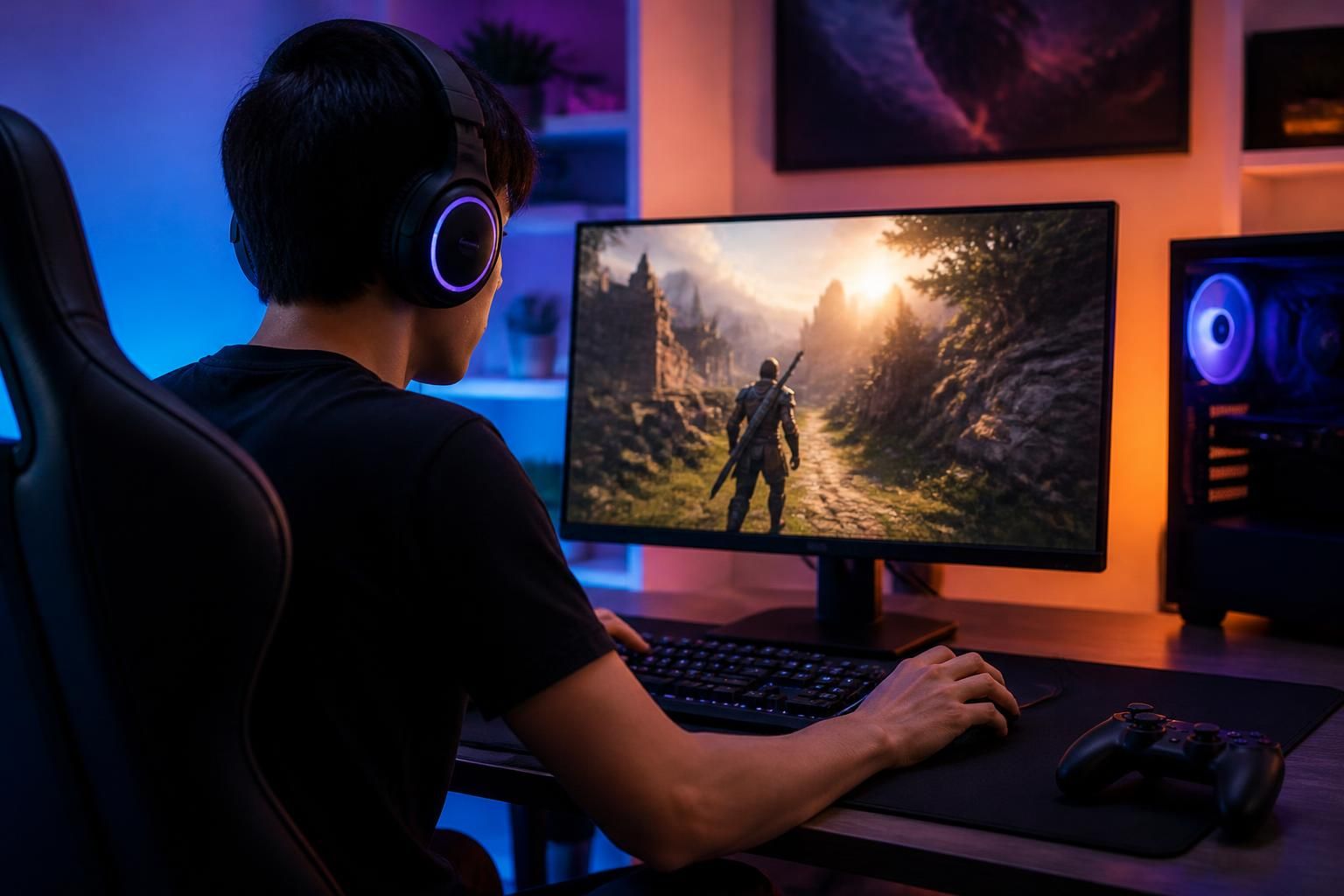
    Establishing a healthy gaming environment is essential for nurturing good habits and limiting screen time. This includes having a designated gaming area that promotes comfort and minimizes distractions. Ergonomic chairs and good lighting can enhance the gaming experience while reducing physical strain.

    Moreover, responsible gaming should involve the entire household. Parents can play a significant role in guiding their children’s gaming habits by setting clear expectations and promoting a healthy balance of activities. This can include encouraging outdoor play, creative endeavors, or family time away from screens. Resources like tài xỉu online uy tín can also provide insights on how to engage with gaming responsibly, reinforcing positive habits.

    In conclusion, developing healthy gaming habits and managing screen time is crucial for the well-being of gamers. By understanding screen time guidelines, promoting physical activity, balancing social interactions, considering mental health, and creating a supportive environment, players can enjoy the benefits of gaming while minimizing potential drawbacks. As gaming continues to evolve, maintaining a balanced approach will ensure that this popular pastime contributes positively to overall health and quality of life.

Our Partners